Espresso tools and care: scale, tamper, distribution, milk, cleaning and water
The machine and grinder make the shot possible; these make it repeatable. A scale and a tamper that clicks are worth more than any machine upgrade. Then the small things, in the order you'll want them, and the cleaning and water that decide whether the machine is still working in five years.
In the order you'll want them
Not everything on day one. Dialing in needs the first two; the rest arrive as the shots improve.
Day one
Scale and tamper
Weigh the dose in and the shot out, time it, tamp the same way every time. Without these, every change you make is a guess.
Week two
WDT, funnel, pitcher
Stir the clumps out, keep the grounds in the basket, and a pitcher sized to one drink. Each fixes a specific thing you'll have noticed by then.
When you're curious
Bottomless portafilter
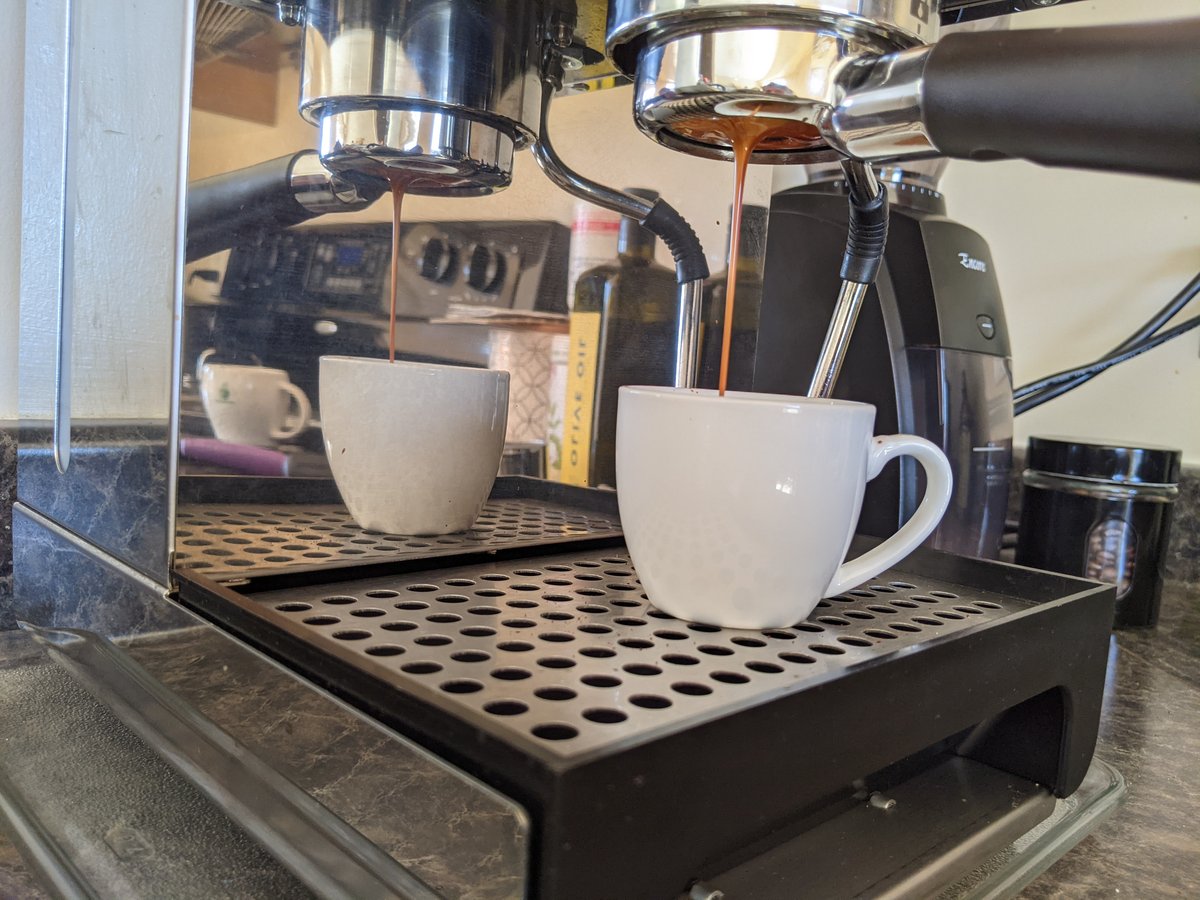
Watch the shot leave the basket. It shows channeling and spraying that spouts hide, and makes puck prep make sense.
Always
Cleaning and water
Coffee oil goes rancid in the group; scale blocks the heater. Tablets or backflush powder for the first, the right water for the second.
Quick picks
The short answer for common situations. Each links to the full card below.
An induction frother for the lever and the travel presses.
Compare the thirteen
Specs from each maker's page; the knock box, the Greater Goods scale, the bottomless portafilter, Cafiza and the water minerals have no reachable maker spec and show the listing's. Tamper, funnel and portafilter sizes are for Breville's 54 mm baskets; the other sizes are noted on each card.
Product links on this page go to Amazon. If you buy through them, Your First Espresso earns a commission. How we pick and earn
Scale, tamper, prep tools, milk, cleaning and water
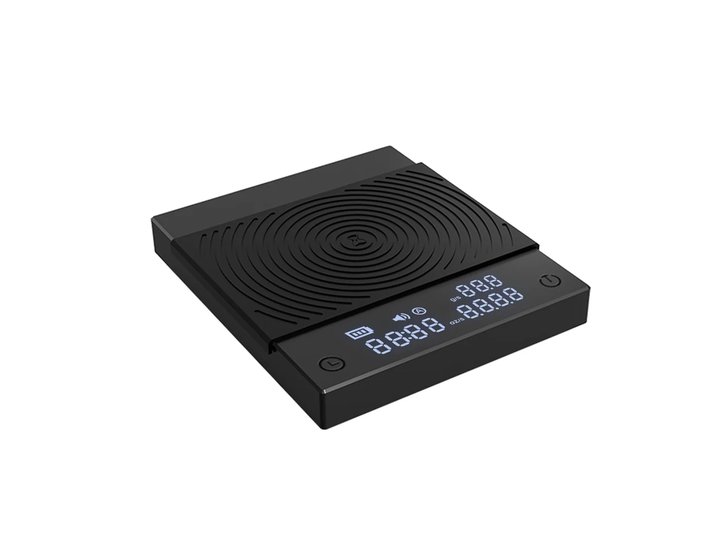
The espresso scale: 0.1 g resolution, a timer that starts when the first drop lands, flow-rate display, USB-C charging, and a footprint that sits under most drip trays.
Range
2 kg, 0.1 g (0.5 g minimum)
Timer
Auto start; flow rate
Battery
1,600 mAh USB, about 10 h
Size
152 × 130 × 26 mm; 380 g (listing)
Suits: Every setup. The scale is what makes "18 in, 36 out" a recipe instead of a guess.
Weigh: At 26 mm thick it is tight under the Dedica and Bambino trays; measure. Amazon claims 24 hours of battery; Timemore says about 10.
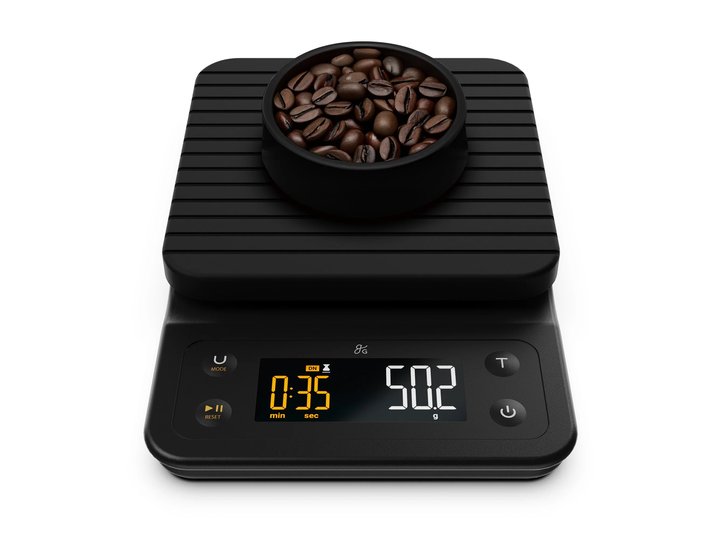
The budget espresso scale: 0.1 g, a count-up and count-down timer, a silicone-covered platform, three AAAs instead of a charging cable, and five years of coverage.
Resolution
0.1 g (listing)
Timer
Count up / count down
Platform
5.25 in, silicone cover
Power
3 × AAA
Coverage
5 years (listing)
Suits: The first scale, or the one that lives by the machine while the good one travels.
Weigh: Specs are the listing's; the maker's site doesn't publish them. The timer is manual, not drip-triggered.
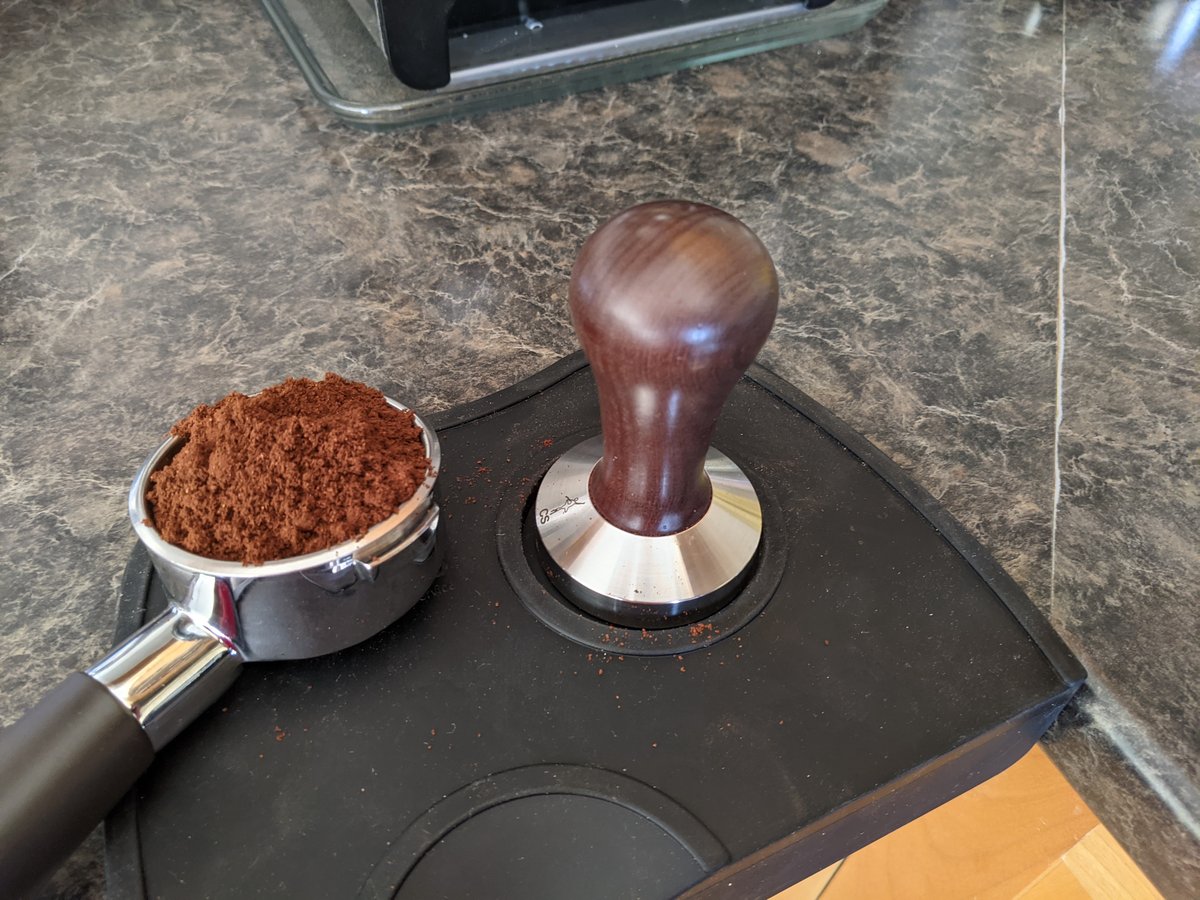
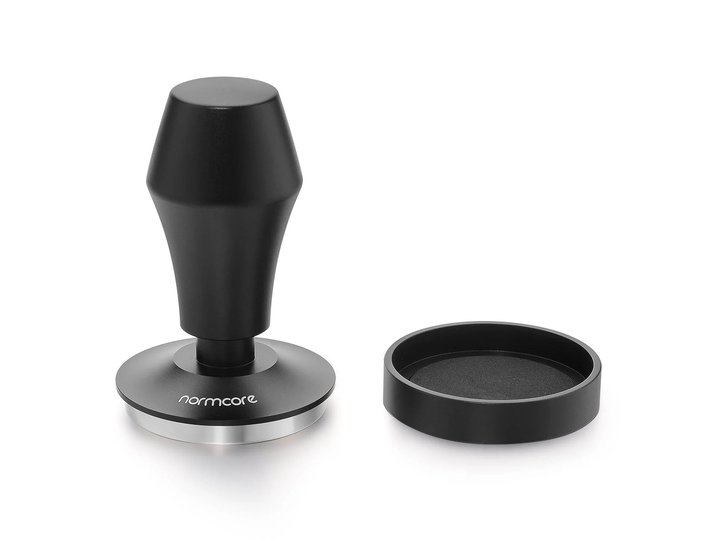
A spring-loaded tamper that clicks at a set pressure, so every tamp is the same: 25 lb installed, 15 and 30 lb springs in the box, sized at 53.3 mm to fit Breville's 54 mm baskets.
Size
53.3 mm, for 54 mm baskets (Breville, Sage)
Springs
15 / 25 (installed) / 30 lb
Other sizes
51 mm (De'Longhi), 58 mm (Gaggia, E61)
Suits: Every Breville owner; the single biggest fix for inconsistent shots after the grinder.
Weigh: This is the Breville size. De'Longhi machines take the 51 mm, Gaggia and Rancilio the 58 mm, each a separate listing. Breville's own tamper is fine too, it just doesn't click.
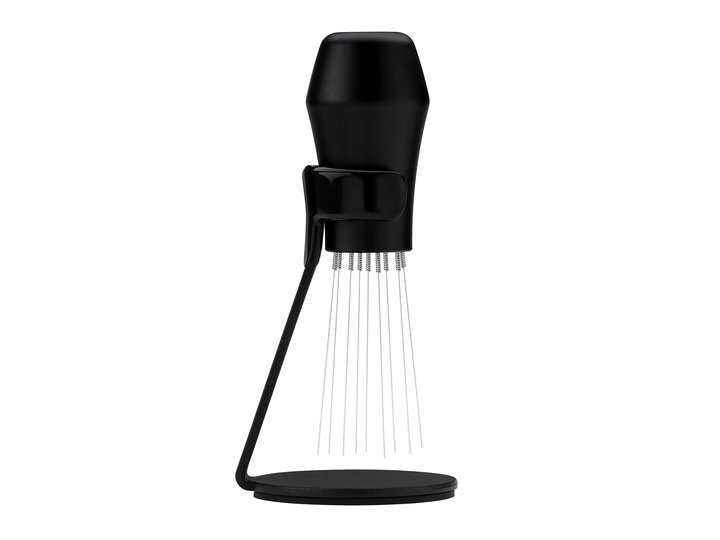
Nine fine needles on an anodized handle that you stir through the grounds before tamping, breaking up clumps so the water goes through the puck evenly: the lowest-cost improvement to a shot.
Needles
9 × 0.25 mm and 9 × 0.3 mm
Body
Anodized aluminium; stand included
Suits: Anyone with a non-pressurized basket, and essential with a single-dose grinder.
Weigh: Ten seconds more per shot. Needles bend; spares come in the box.
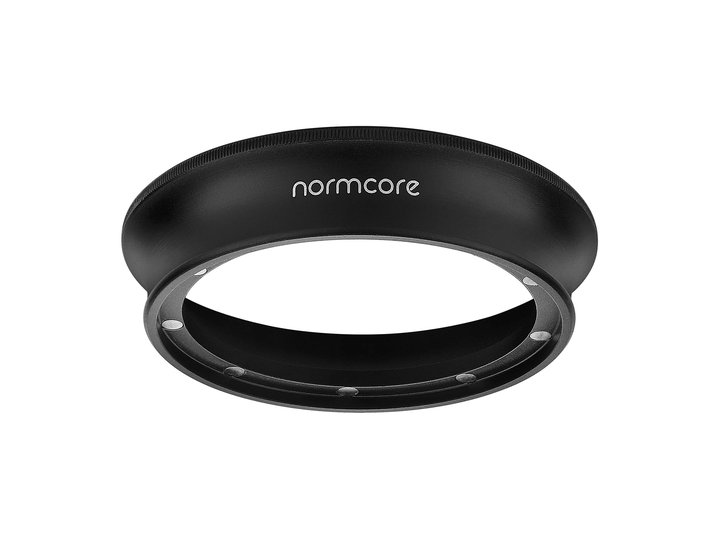
A short magnetic ring that sits on the basket while you grind in and stir, so the grounds land in the basket and not on the counter.
Size
54 mm (51 and 58 mm available)
Height
18 mm
Magnets
8 neodymium
Suits: Single-dose grinding and WDT; the Bambino and anything with a bottomless portafilter.
Weigh: Normcore notes the 54 mm ring can't be used while the portafilter sits in a Breville's built-in grinder cradle. 51 and 58 mm versions are separate listings.
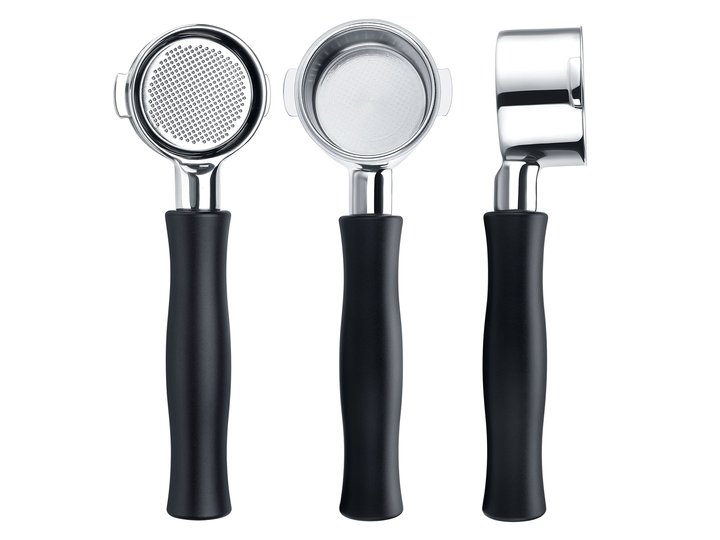
A portafilter with no spouts, so you watch the shot come straight out of the basket: channeling, spraying and uneven extraction are visible instead of guessed. Comes with an 18 g basket for Breville's 54 mm group.
Fits
Breville 54 mm (Bambino Plus, Barista Express, Pro, Touch) (listing)
Basket
18 g included
Suits: The Bambino, Barista Express or Pro owner who wants to see what their puck prep is doing.
Weigh: A bad puck sprays the counter and you, which is the point. Fits Breville's 54 mm machines; not for De'Longhi or 58 mm. Specs are the listing's; Normcore's page for this item wasn't reachable.
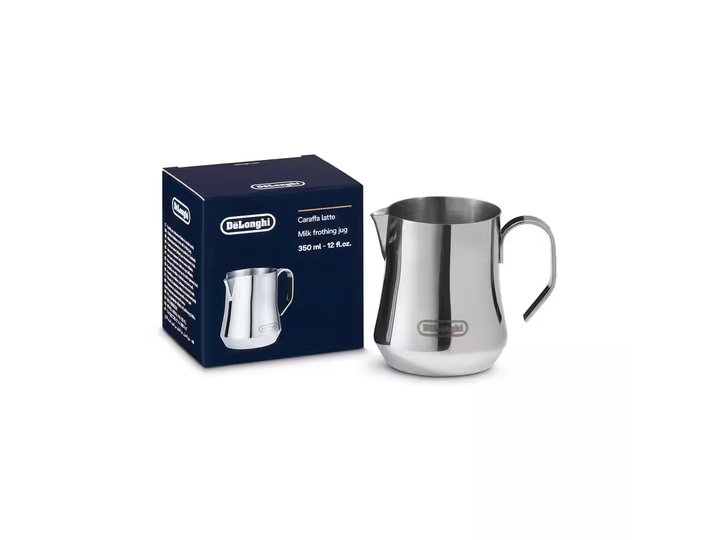
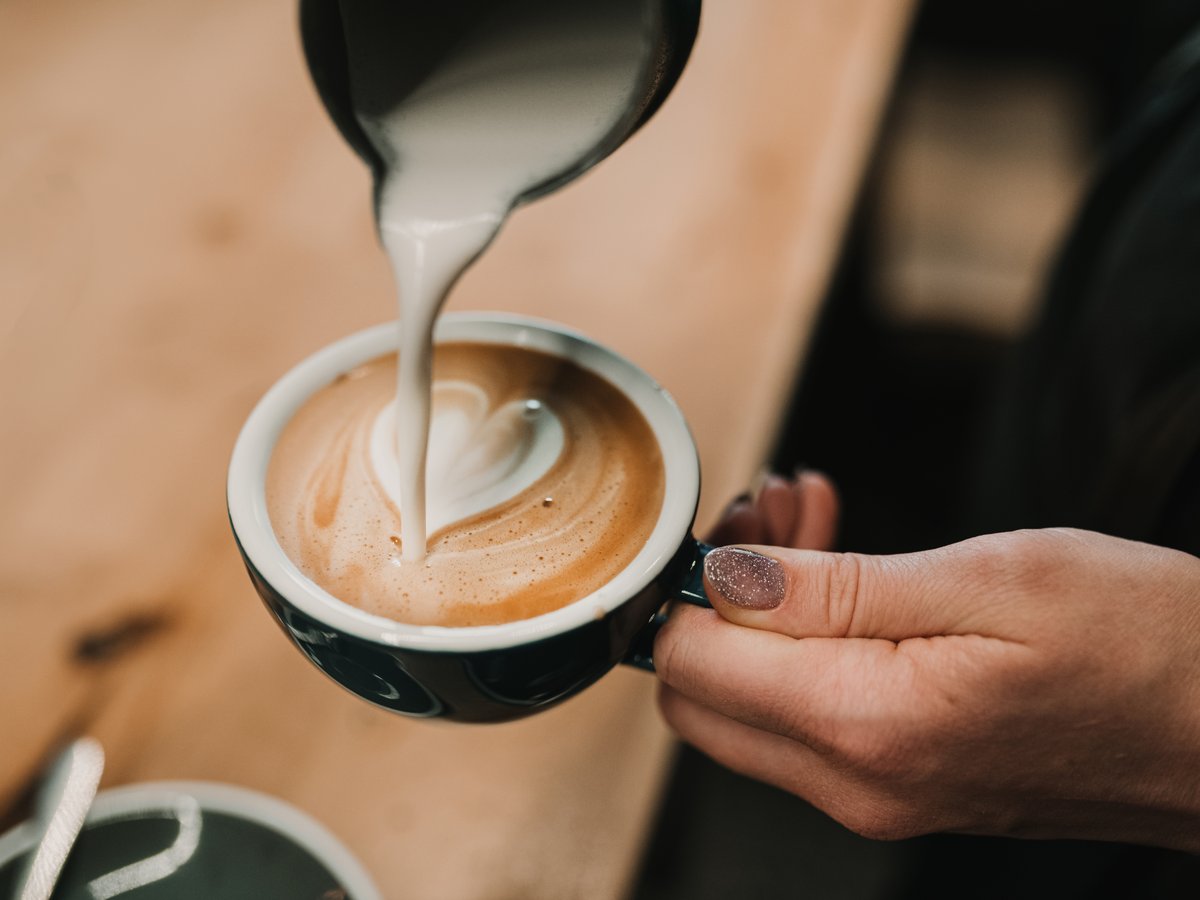
A 12-ounce stainless pitcher, the size that steams one latte's milk on a small machine: enough room to stretch, not so much that the wand can't heat it.
Capacity
12 oz / 350 ml
Material
Stainless steel
Suits: Every manual-wand machine here; the Bambino Plus ships with its own.
Weigh: One drink at a time; a 20 oz pitcher does two but is too much milk for a Bambino's wand to texture well.
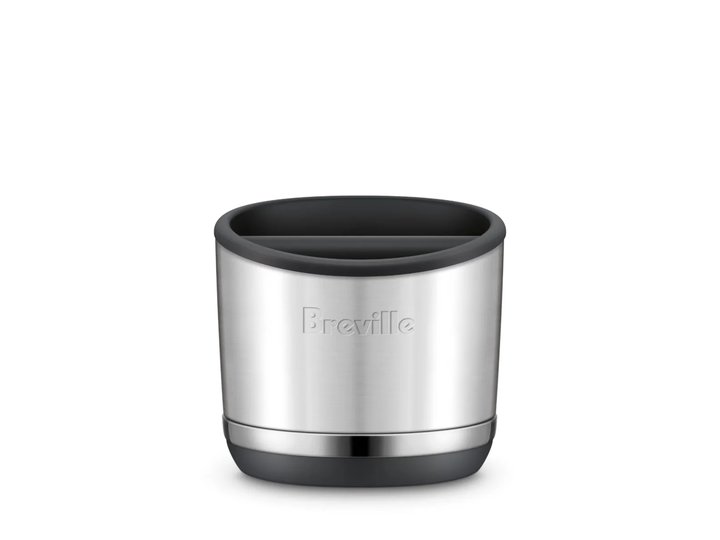
A stainless box with a rubber bar you knock the portafilter against, holding ten spent pucks before it needs emptying: the alternative is the bin, a spoon, and grounds on the floor.
Capacity
10 pucks (listing)
Material
Stainless steel; 10.72 oz (listing)
Suits: Anyone pulling more than one shot a day.
Weigh: Specs are the listing's; Breville's page for it wasn't found. Compact rather than large; a two-shot-a-day household empties it every few days.
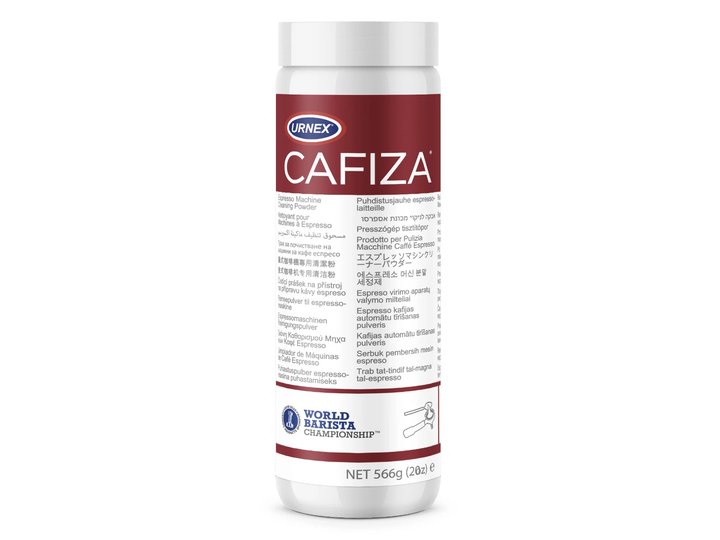
The café-standard cleaning powder: a spoonful in a blind basket, backflushed through the group, dissolves the coffee oils that make a machine taste stale. A tub lasts a home machine years.
Form
Powder, 566 g (listing)
Use
Backflush with a blind basket
Suits: Gaggia and Rancilio owners with a three-way valve; Breville owners use the included cleaning disc and tablets.
Weigh: Backflushing needs a machine with a three-way solenoid valve (Gaggia, Rancilio, Breville with its disc); the Stilosa and Dedica can't be backflushed. Specs are the listing's.
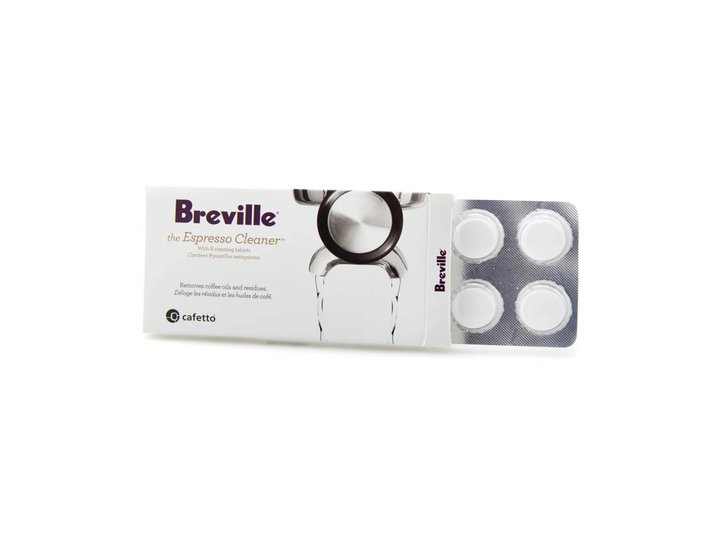
The tablet Breville's machines ask for: one in the cleaning disc, run the cycle the machine prompts after 200 shots, and the group and valve are clear of coffee oil.
Count
8 tablets (listing)
Use
Cleaning cycle with the included disc; the Bambino Plus prompts after 200 shots
Suits: Every Bambino, Barista Express and Barista Pro.
Weigh: Cleaning is separate from descaling; this does not remove scale. Breville's product page for the tablets isn't findable, so the count is the listing's.
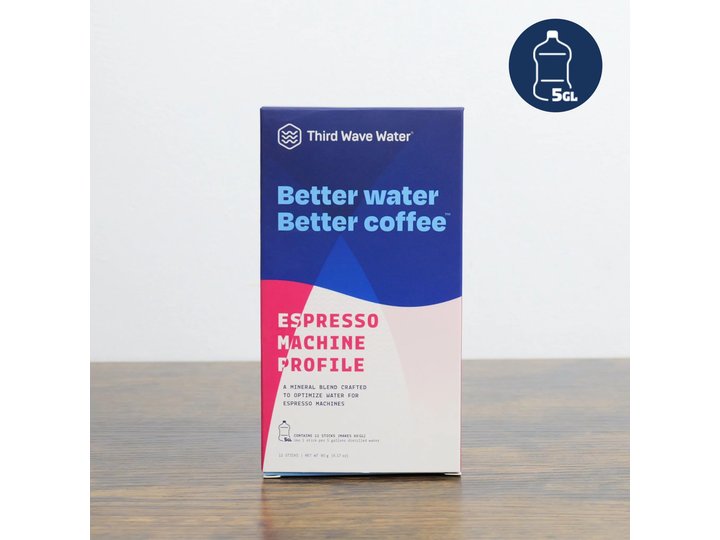
Third Wave Water Espresso Machine Profile, 5-gallon sticks
Mineral sticks you dissolve in a gallon of distilled or reverse-osmosis water to make espresso water with known hardness and no scale-forming surprises: the water problem solved for a few cents a litre.
Form
Mineral packets, each for 5 gallons (listing)
Base water
Distilled or RO
Profile
Espresso machine (lower scaling)
Suits: Anyone on hard tap water, or who has already descaled once and didn't enjoy it.
Weigh: Needs distilled or RO water as the base; distilled on its own is wrong for the machine, as Fellow's guide says. The maker's site blocks readers; specs are the listing's.
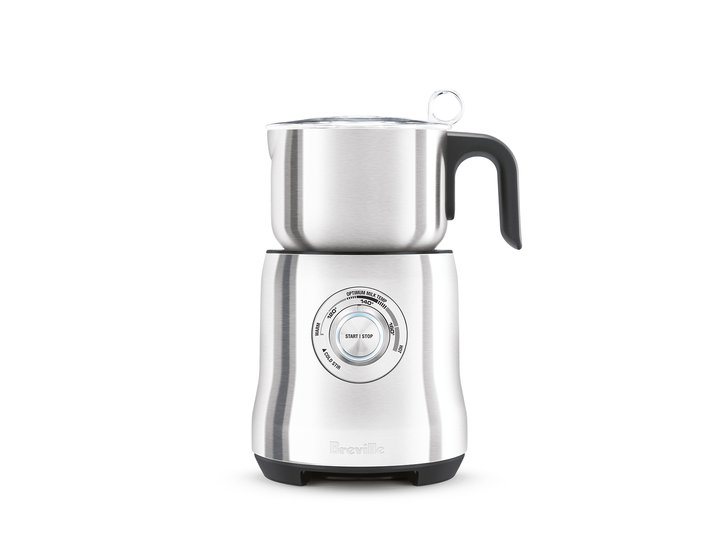
A standalone induction frother with latte and cappuccino discs and a temperature dial from cold to hot: real textured milk for the machines here that have no wand, and a better one than the Stilosa or Dedica's.
Capacity
25 oz / 3 cups
Discs
Latte (smooth), cappuccino (frothy)
Settings
Cold stir, warm, optimum, hot
Size
6.4 × 7.5 × 10.4 in; 3.46 lb; 500 W
Warranty
1 year
Suits: Flair and Picopresso owners, and anyone whose machine's wand disappoints.
Weigh: Another appliance on the counter, and the texture is good rather than latte-art fine.
Breville\'s manual says to tamp at about 22–33 lb and then, in the same sentence, that the amount of pressure matters less than the same pressure every time. Its tamping guide repeats it: consistency is more important than any given number, and the tamper stays level. That is the whole case for a spring-loaded tamper: it removes a variable so you can see the ones that matter, grind and dose.
On water: scale is mineral left behind when hard water is heated, and Breville\'s manual lists what it does, reducing flow, temperature, power and taste. Filtered or softer water helps; distilled on its own is wrong for the machine (Fellow says never). Mineral packets in distilled water give you water with known hardness, which is the simplest end to the problem. Water, cleaning and descaling has the routine.