The grinder first, then the machine, then the first good shot
Home espresso has one secret the boxes don't tell you: the grinder decides more of the cup than the machine does, and the surest way to a bad shot is an expensive machine with a blade grinder. Which grinder, which machine for how you drink, the tools, and how to dial in, written for the person who has never pulled a shot.
A grinder that reaches espresso fine, a machine with a non-pressurized basket and a steam wand that makes real milk, and the scale that makes the recipe repeatable. Picked on what the makers publish.
Product links on this page go to Amazon. If you buy through them, Your First Espresso earns a commission. How we pick and earn
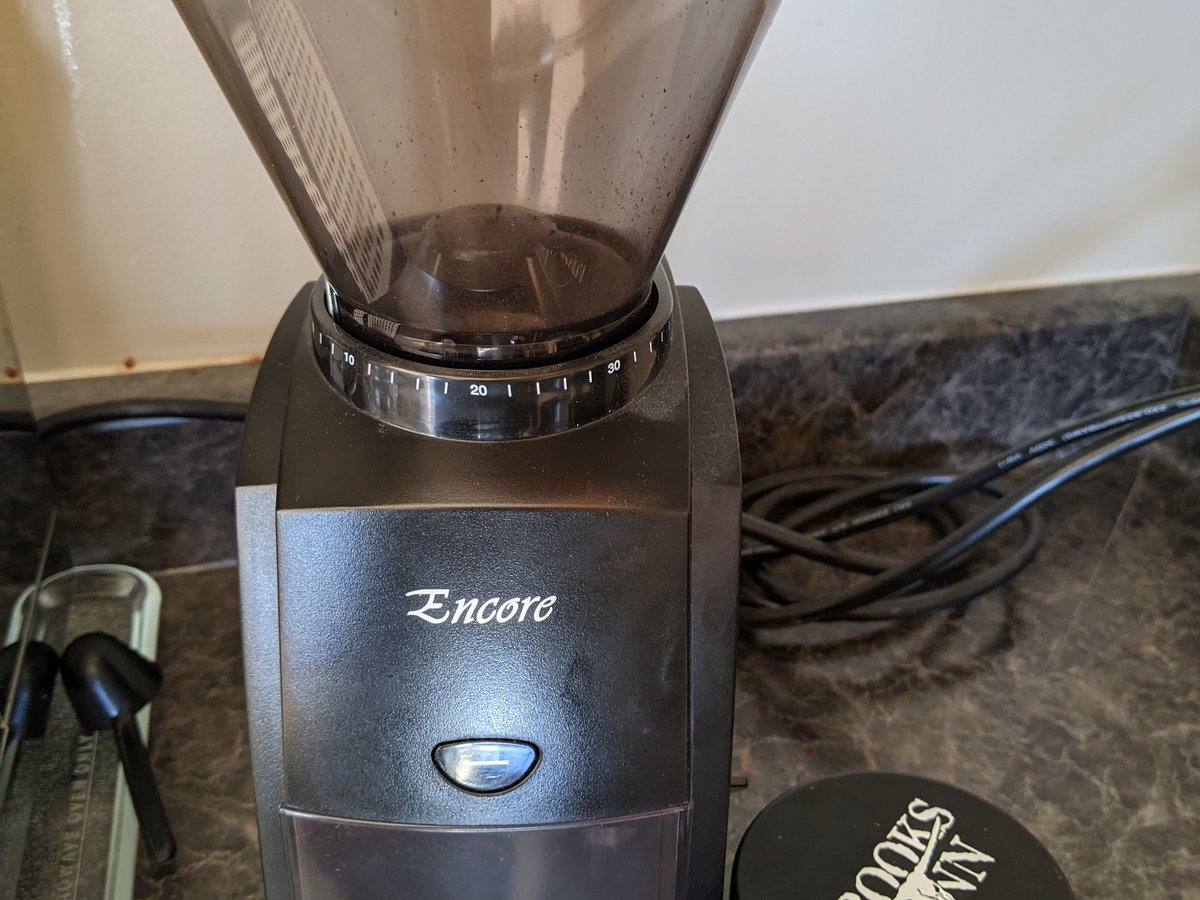
Electric, 40 mm conical, stepped
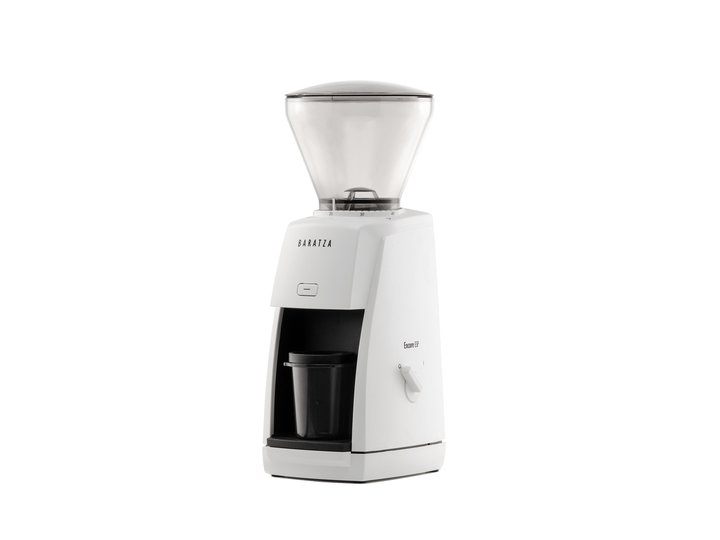
Baratza Encore ESP
Baratza Encore ESP
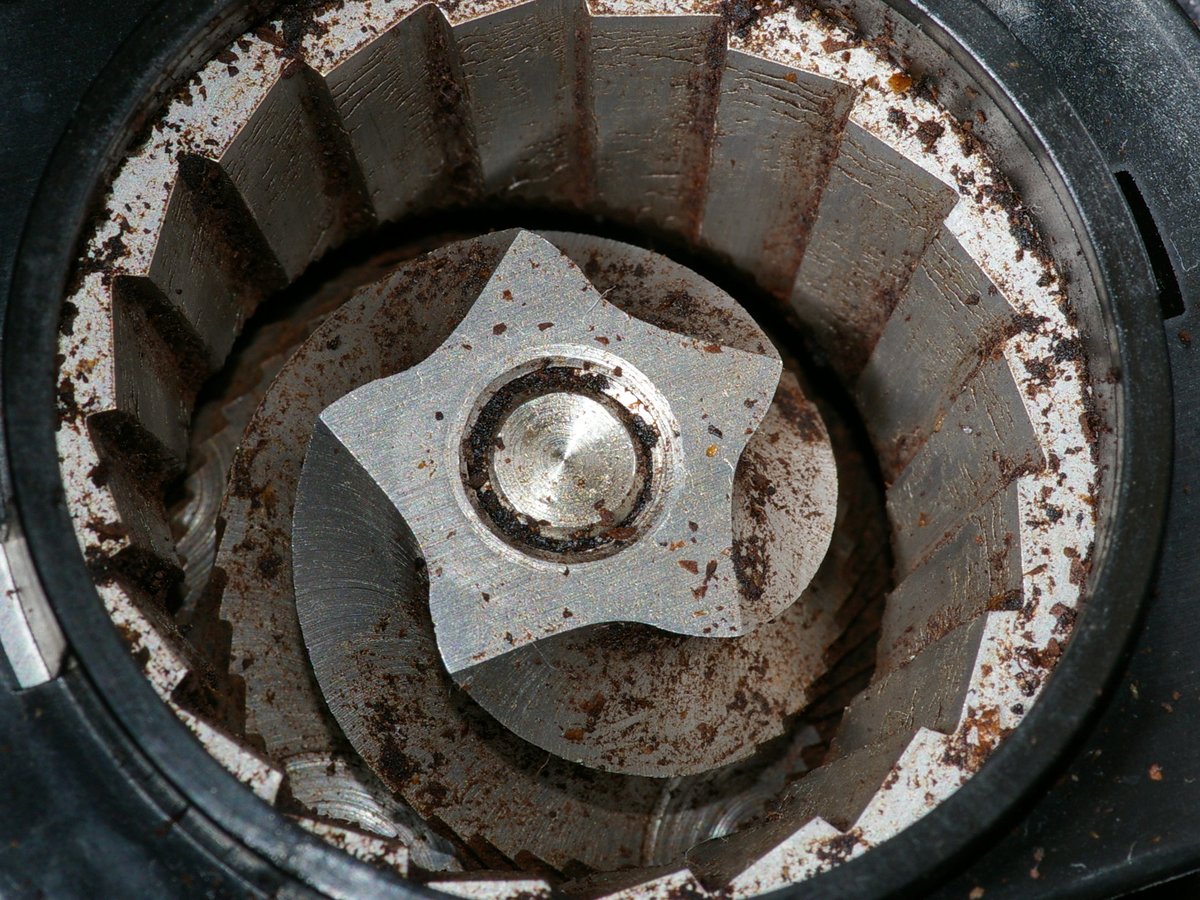
The entry espresso grinder: Baratza's Encore with a finer first half of its dial, settings 1–20 for espresso and 21–40 for filter, a dosing cup in the box, and the maker's own words that it grinds "creamy, syrupy shots".
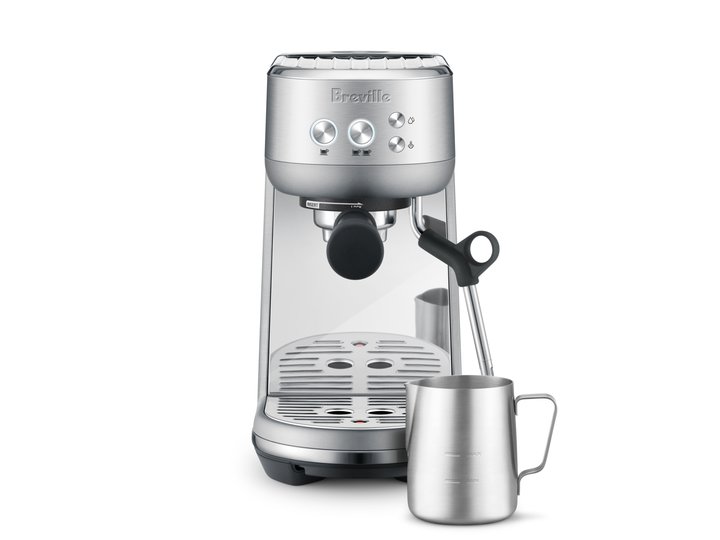
The small machine that changed the entry level: hot in three seconds, PID temperature control, low-pressure pre-infusion then 9 bar, single-wall and dual-wall 54 mm baskets in the box, and a manual steam wand that makes real microfoam.
Heater
ThermoJet, ready in 3 s
Temperature
PID
Pressure
15 bar pump; low-pressure pre-infusion, 9 bar extraction
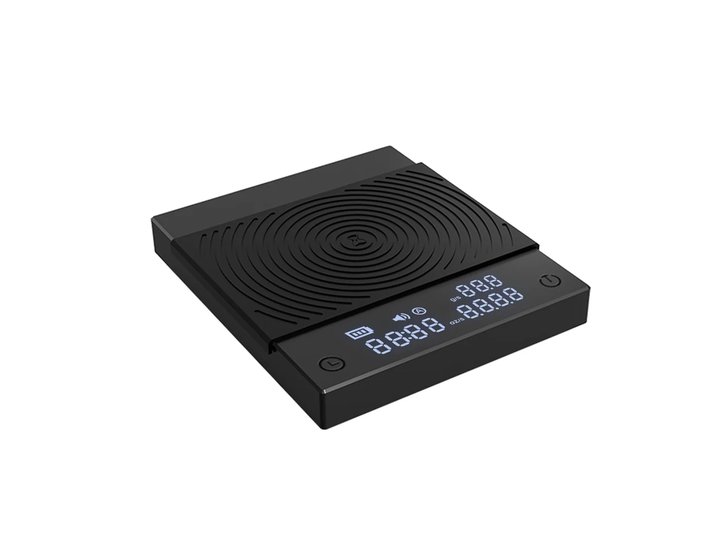
The espresso scale: 0.1 g resolution, a timer that starts when the first drop lands, flow-rate display, USB-C charging, and a footprint that sits under most drip trays.
We compare what manufacturers publish: boiler type and temperature control, basket size and whether the included baskets are pressurized, burr type and size, water tank, warm-up time, and what is in the box, against what a beginner needs to pull a repeatable shot. Brewing figures come from the makers' own brew guides and the Specialty Coffee Association, not from forum lore. We use the kind of gear we recommend and say what we haven't tried. Nobody pays to be listed. How we earn